
Blizzard Rescue at Mount Buller: A Lesson in Weather Windows and Decision Control

When the temperature drops and the wind howls through Victoria’s high country, decisions made in comfort can turn critical in minutes. Two rescues near Mount Buller this week made that painfully clear.
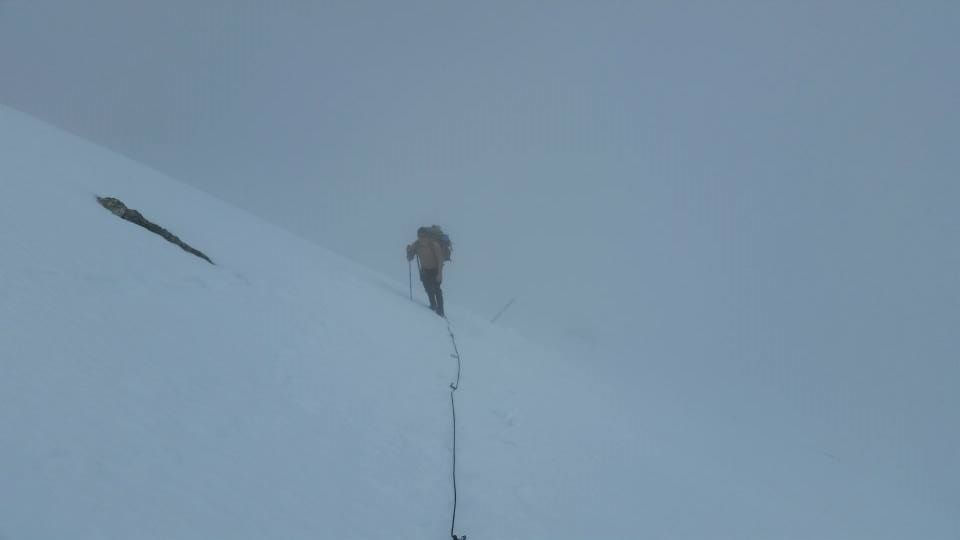
The Victoria Police Search and Rescue team received calls on consecutive nights to locate stranded hikers. Tuesday evening saw the retrieval of the first hiker, a 49-year-old man, who had become stranded in the deteriorating conditions. Less than twenty-four hours later, a 20-year-old hiker was trapped in blizzard conditions, triggering an alert at approximately 2100 hours on Wednesday, November 5, 2025.
Heavy rain, sleet, and snow were sweeping through the region at the time. The Bureau had issued warnings, but as often happens in early November, enthusiasm for one last alpine push overruled the forecast.
The reality of weather windows
Anyone who works or plays in alpine areas understands that safe weather windows span hours rather than days. Wind direction, temperature, and precipitation can shift faster than most people can descend. A sunny mid-morning can turn to whiteout by afternoon, and that’s precisely what caught both hikers out.
Weather windows are not suggestions. They are control limits. Once they close, your margin for error is gone. It’s why mountain operators, rescue teams, and adventure activity providers must clearly define entry and exit conditions before participants step off. The system must dictate the decision, not the optimism of the moment.
Turn-back points and discipline under pressure
The most dangerous mindset in risk management is the notion of “just a bit further”. It’s the same in trucking, flying, and mountaineering. Momentum takes over, and people convince themselves that turning back means failure. In reality, it means discipline.
Turn-back points are pre-set triggers. Measurable factors, including time, weather, terrain, visibility, temperature drop, or communication signal strength, determine them. Once that threshold is crossed, there is no debate. The team turns back, full stop. That simple rule has saved countless lives, yet too few apply it beyond aviation or adventure guiding.
Communication layering saves time and lives
Both rescues succeeded because communication still existed. Police received alerts through personal devices, and those signals directed teams to specific locations. However, relying on a single point of contact, especially in cold environments, is a risk.
A layered communication plan involves using both satellite and mobile systems, with timed check-ins that create automatic alerts when silence exceeds a specified tolerance. For commercial operations or volunteer groups, this should be documented as part of the field safety plan. It’s not enough to carry a PLB; you must also plan for who notices if it ever activates.
From alpine operations to daily work
The principles that saved these hikers are the same ones that keep logistics yards, construction sites, and field crews safe:
Set clear operational limits.
Make decisions before fatigue and stress distort judgement
Use technology as support, not a substitute.
Plan for silence as much as for contact.
The Victoria Police did their job because systems were in place to locate those who didn’t return on time. The goal in any operation is to ensure those systems never need to be activated in the first place.
As summer approaches, the snow line will retreat, but complacency will not. Whether you lead a work crew, a hiking group, or an emergency service team, now is the time to review your field procedures.
Define your weather windows, establish your turnback points and develop your communication layers.
The mountain doesn’t negotiate, and neither should your controls.
— Safety Jon


Comments