
Illegal Storage at Wingfield: Lessons from the TRG Transport Fine

Inspectors from SafeWork SA discovered a dangerous situation at TRG Transport's Wingfield depot. Eleven freight containers packed with over 100,000 litres of dichloropropene and 13,000 litres of chloropicrin were onsite without a valid licence, emergency plan, or proper signage.
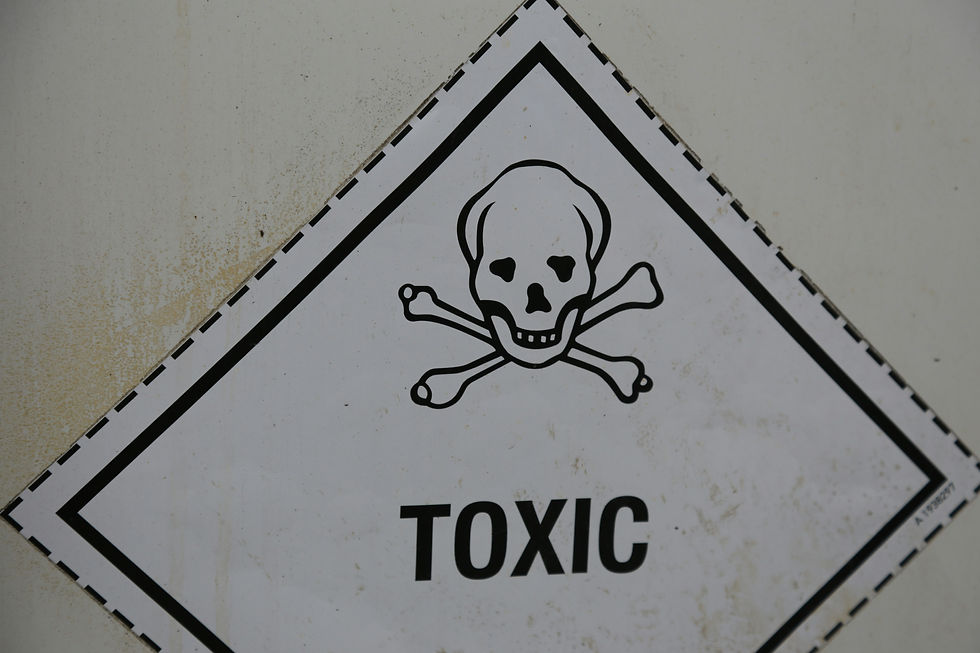
On 10 October 2025, the South Australian Employment Tribunal handed down its decision, fining TRG Transport Pty Ltd $47,600 for breaches of sections 11 and 14 of the Dangerous Substances Act 1979 (SA). The ruling reflected not only a failure of paperwork but also a systemic breakdown in hazard management and corporate oversight.
What Went Wrong
SafeWork SA’s inspection in February 2023 revealed fundamental safety gaps:
No licence to store prescribed dangerous substances
No clear emergency response plan
Inadequate worker training and chemical handling protocols
Missing hazard signage and restricted access controls
The company argued that the likelihood of an incident was low. The tribunal disagreed, noting that had something gone wrong, the consequences could have been catastrophic for workers, nearby businesses, and the environment.
The Real Risk: When “Low Likelihood” Masks High Consequence
This case highlights a common bias in risk management: overconfidence in the assumption that “nothing’s gone wrong so far.” In transportation and logistics, complacency often develops around static hazards, such as stored fuels, chemicals, and batteries. While the chance of ignition or release may appear remote, the potential consequences are severe: fatal exposure, property destruction, and environmental contamination.
The Wingfield site showed how misinterpreting administrative controls as protection can lead to consequence blindness.
The System Gaps
Three systemic failings stand out:
Licence and Notification: The company failed to recognise that storage volumes exceeded regulated thresholds.
Training and Accountability – Workers lacked verified training in chemical hazard control.
Emergency Preparedness – There was no spill containment plan, evacuation plan, or emergency coordination in place.
Each of these represented a missing barrier that could have prevented the breach long before inspectors intervened.
Lessons for Industry
For operators managing dangerous goods or hazardous chemicals:
Validate storage volumes against regulatory thresholds
Maintain active licensing and renewal alerts within your safety management system
Schedule independent audits, particularly for multi-site or interstate operations
Embed chemical risk controls into your Chain of Responsibility and emergency planning frameworks
Emergency response capability is not a formality. It is a primary control layer that determines whether an event becomes a clean-up or a catastrophe.
Final Thought
The $47,000 fine might appear minor compared to the potential harm, but the reputational damage is far greater. Compliance in hazardous storage is not about penalties; it is about foresight and prevention. Every container, drum, and pallet carries both product and potential. Managing that potential is what separates safe operators from statistics.



Comments